Evening yoga stretch: a 10-minute wind-down before bed
Updated: 2026-09-22
Nine floor stretches, no mat, blocks or strap required, strung into one ~10-minute sequence for the evening. This is not a yoga class and not a substitute for instructed practice — just a convenient order of familiar poses to run through before bed. Below: the sequence itself, when to do it, and how to check whether anything actually changed in your sleep data, not just how it felt.
The plan
| Exercise | Sets | Rest after |
|---|---|---|
| Cat Stretch | 1 × 60 sec | 10 sec |
| Child's Pose | 1 × 60 sec | 10 sec |
| Kneeling Hip Flexor | 1 × 60 sec | 10 sec |
| Seated Floor Hamstring Stretch | 1 × 60 sec | 10 sec |
| Lying Bent Leg Groin | 1 × 60 sec | 10 sec |
| Lying Glute | 1 × 60 sec | 10 sec |
| Knee Across The Body | 1 × 60 sec | 10 sec |
| Pelvic Tilt Into Bridge | 1 × 45 sec | 10 sec |
| Hug Knees To Chest | 1 × 45 sec | 10 sec |
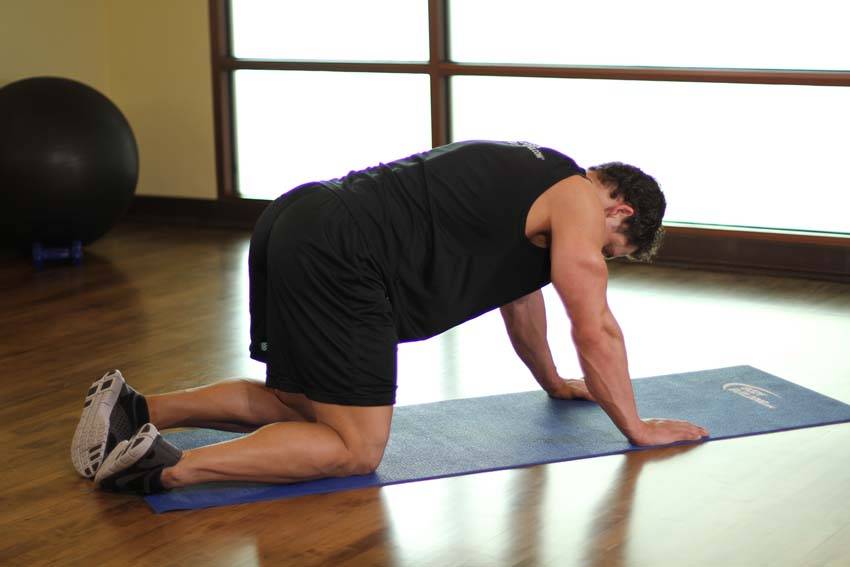
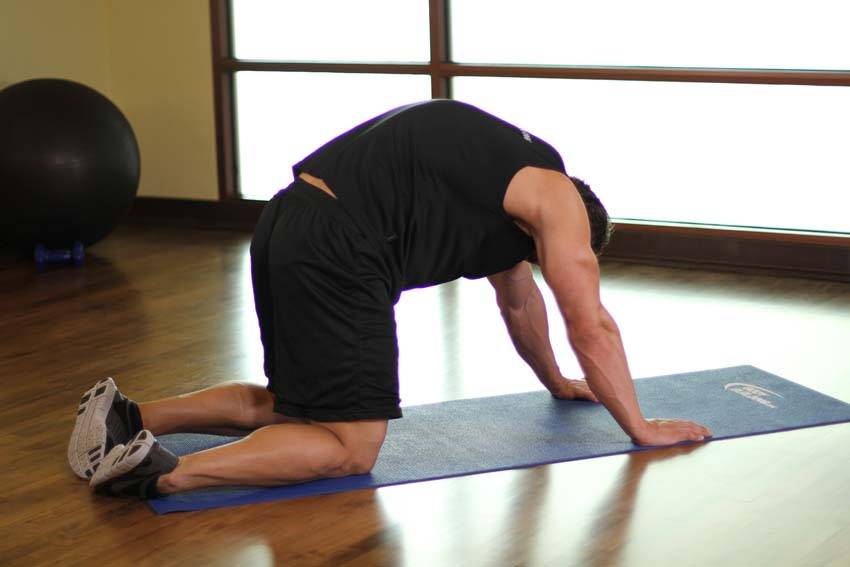
Cat Stretch
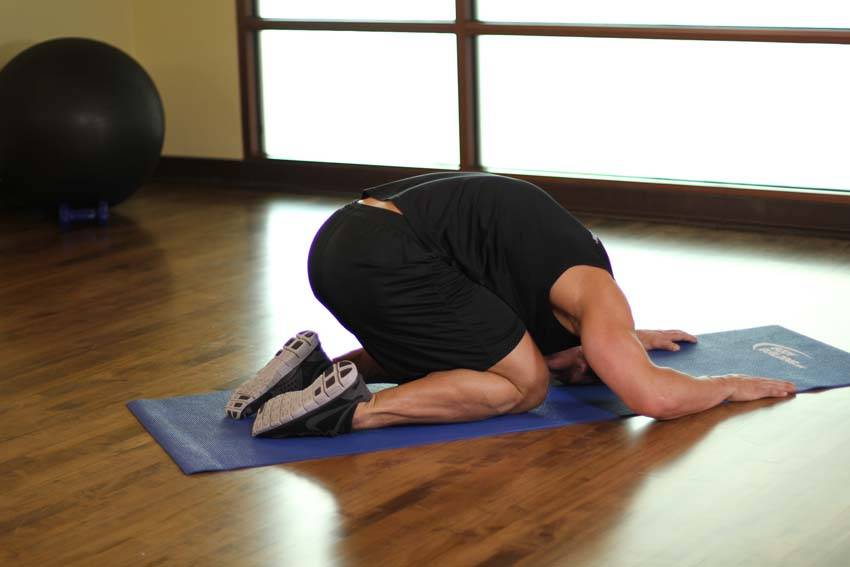
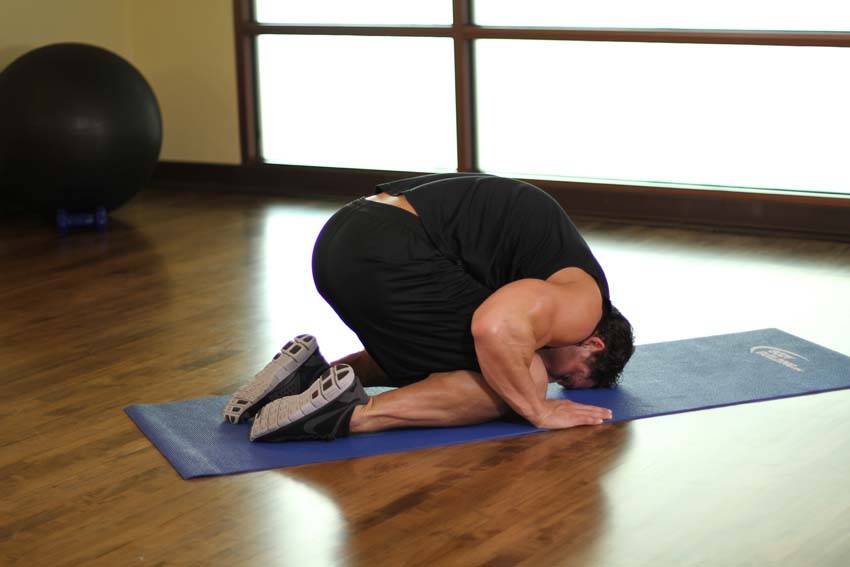
Child's Pose
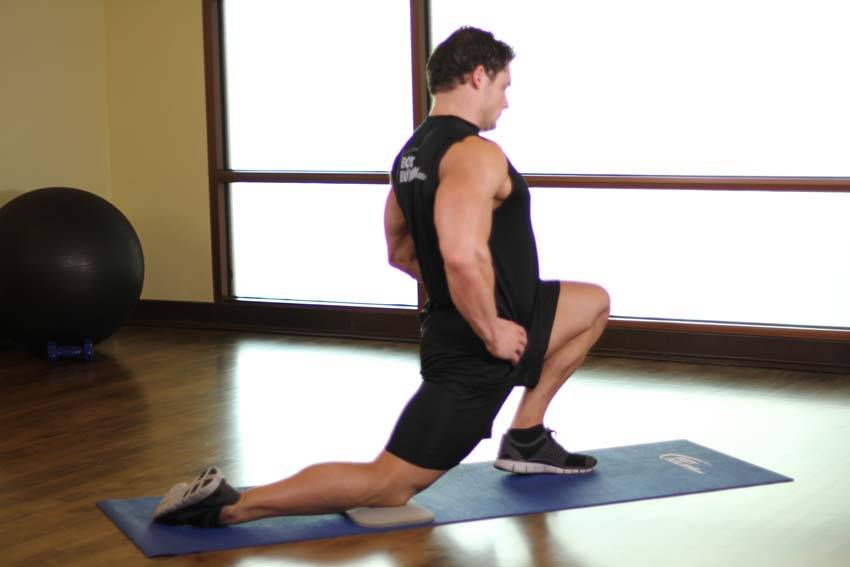
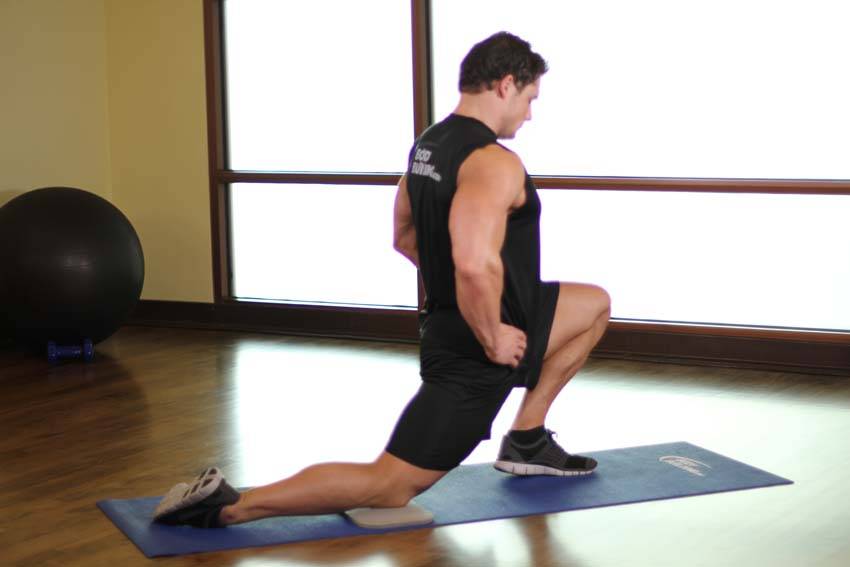
Kneeling Hip Flexor
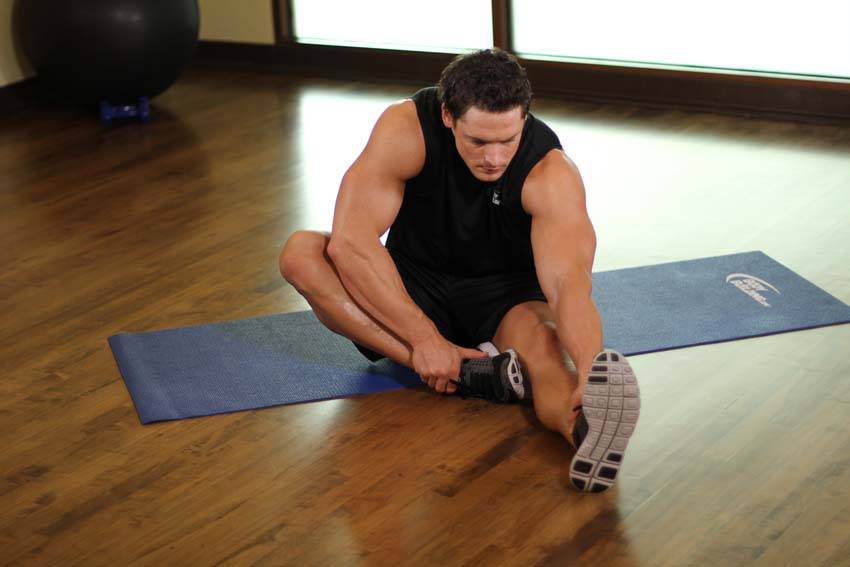
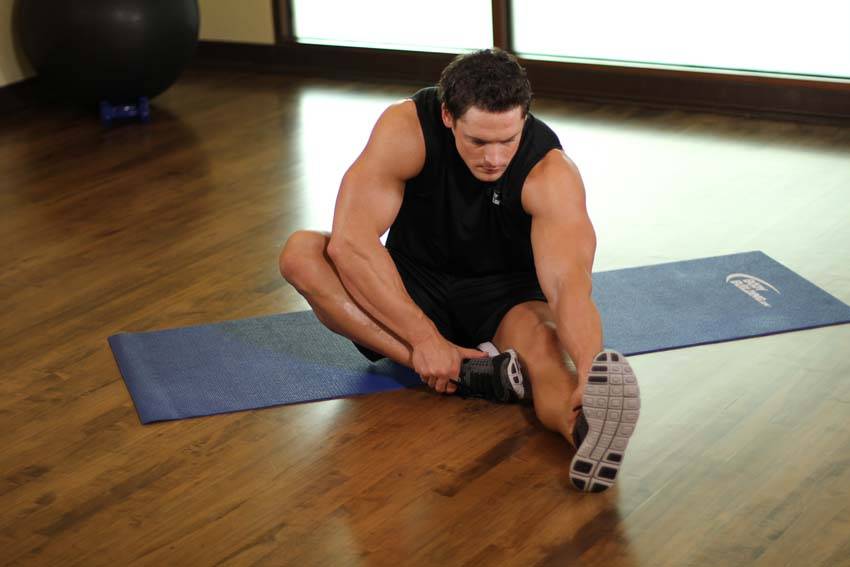
Seated Floor Hamstring Stretch
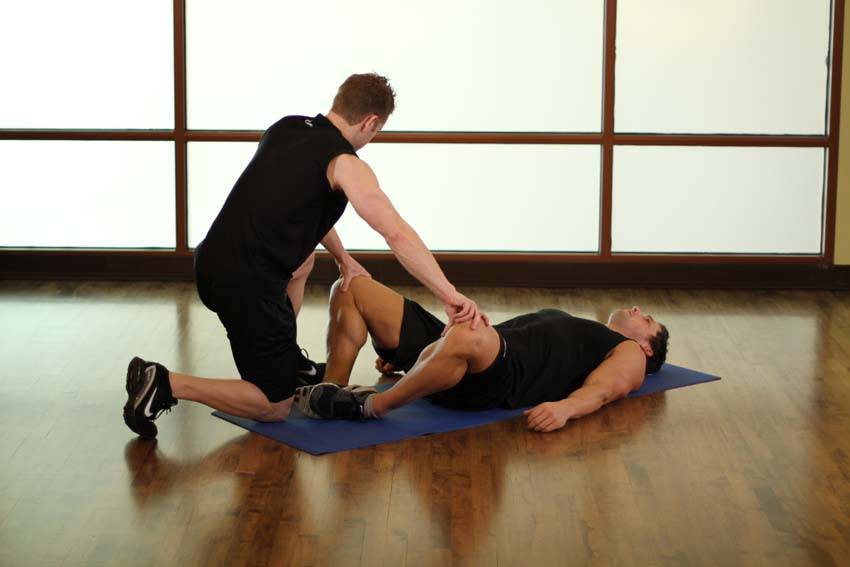
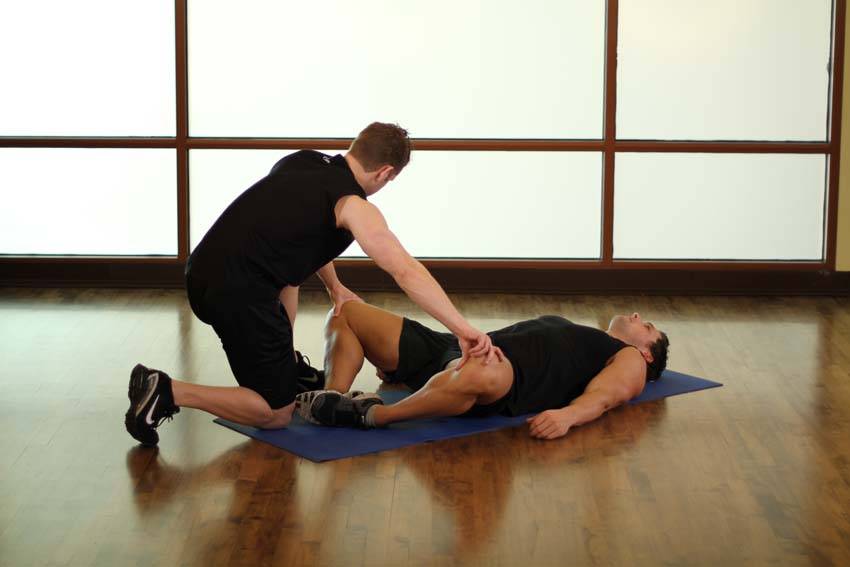
Lying Bent Leg Groin
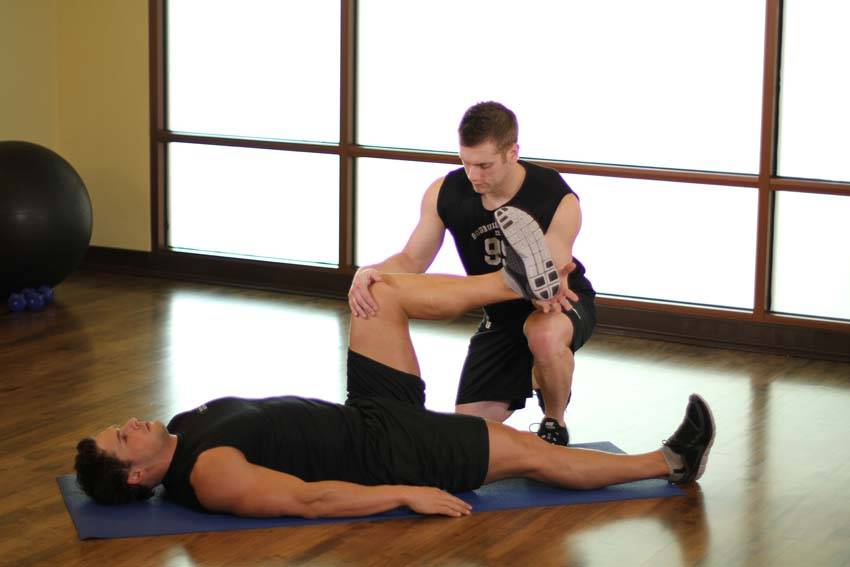
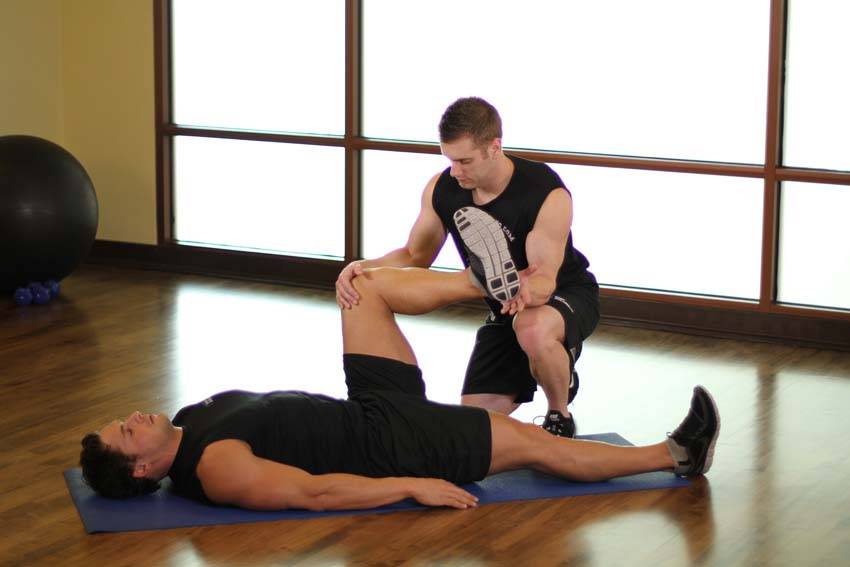
Lying Glute
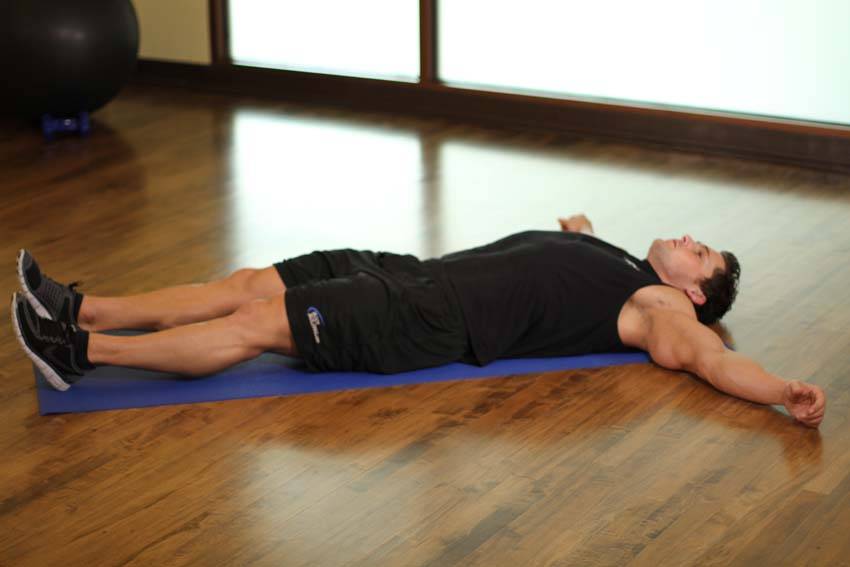
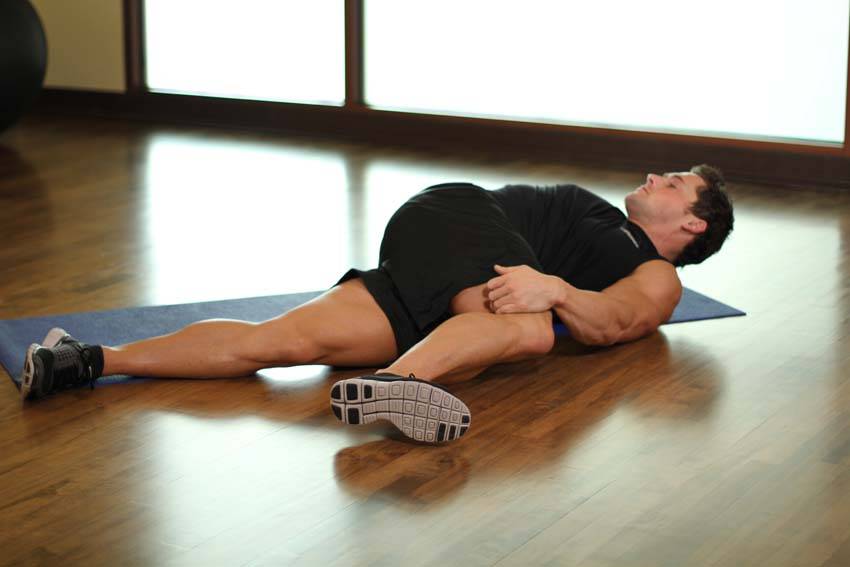
Knee Across The Body
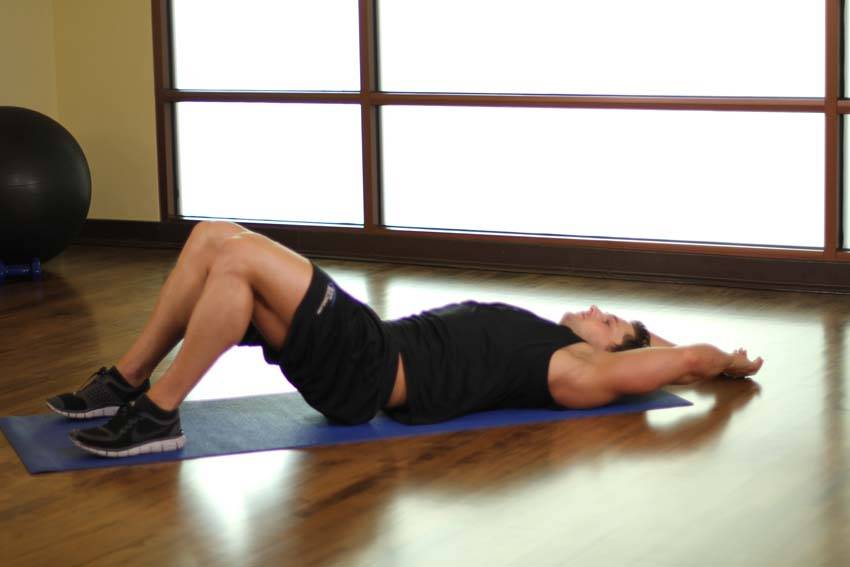
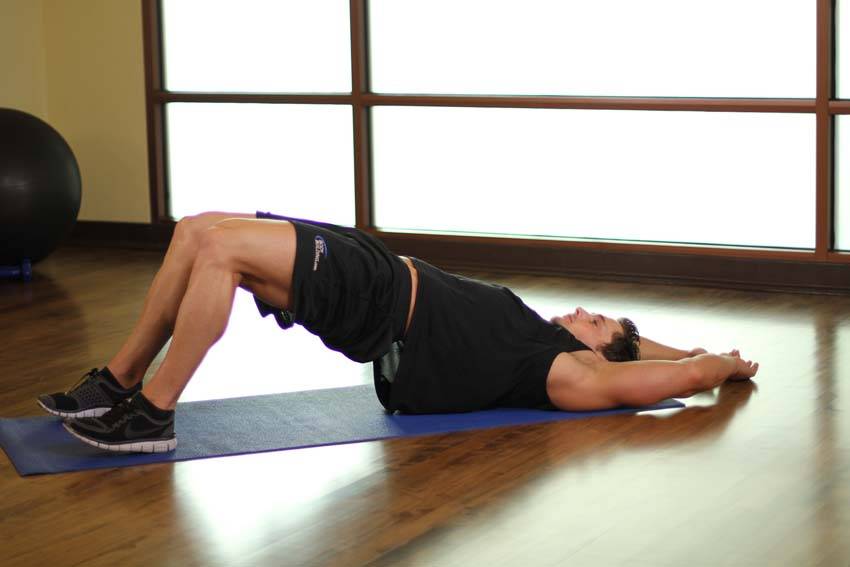
Pelvic Tilt Into Bridge
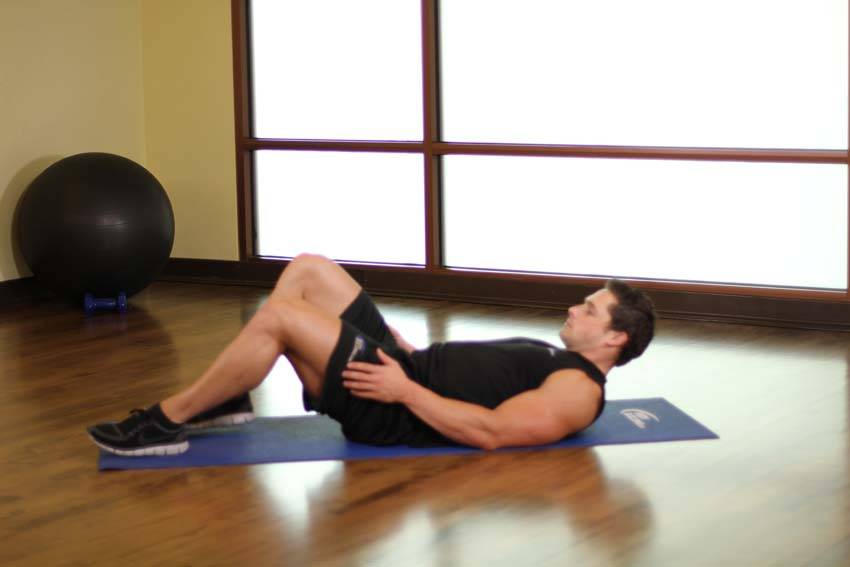
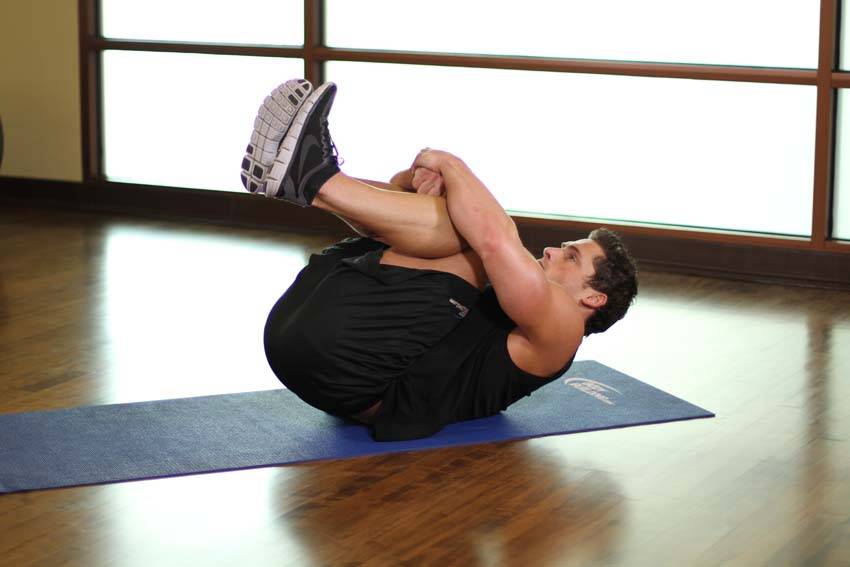
Hug Knees To Chest
What this actually is
This is not a yoga class — it's nine poses from Health OS's stretch library, strung into one sequence and labeled with their yoga names (asanas) because that's how they're easiest to recognize and search for. Cat-cow, child's pose, reclined bound angle are the same library entries you'd find in any other stretch routine, just under familiar names. There's no yoga philosophy, pranayama, or Ashtanga/Iyengar-style sequencing here — just mechanical stretching before bed.
The sequence
Floor only, no mat or props required, about 10 minutes with transitions: cat-cow (Marjaryasana–Bitilasana) 60 s → child's pose (Balasana) 60 s → low lunge hip-flexor stretch (Anjaneyasana) 30 s per side → seated forward fold (Paschimottanasana) 60 s → reclined bound angle (Supta Baddha Konasana) 60 s → reclined figure-four (glute stretch) 30 s per side → reclined twist (Supta Matsyendrasana) 30 s per side → bridge (Setu Bandhasana) 45 s → knees-to-chest (Apanasana) 45 s.
The "Start in app" button builds the whole sequence as a widget with a timer for each pose, so you don't have to watch the clock yourself.
When to do it
1–2 hours before bed, 5 days a week for 2 weeks — that's the cadence the “Evening Yoga-Style Stretch” protocol uses (a 7-day baseline without the stretch, then 14 days with it), so you can compare phase means instead of guessing from one night.
Breathing
In every pose, breathe through the nose, slowly, with the exhale a bit longer than the inhale — for example, 4 counts in, 6 out. This is general relaxation advice, not a claim that this specific breathing pattern changes sleep metrics for this specific sequence.
What to expect — and not expect
Stretching before bed doesn't guarantee a higher sleep score or HRV — it's a sequence of poses, not a validated intervention. What's actually known about yoga and heart rate variability (not about this specific sequence) is in the “Yoga and HRV: what actually changes in your ring data — and how to check” guide. To test the effect on your own data rather than on study averages, use the “Evening Yoga-Style Stretch” protocol: it compares baseline and intervention phases across your own nights.
FAQ
I'm not flexible at all and can't reach my toes in the forward fold — is that normal?
Yes. Bend your knees in the seated forward fold (Paschimottanasana), and in any other pose where you feel excessive tension — the goal is a light stretch, not touching your toes.
Can I do this sequence in the morning instead of the evening?
For flexibility and mobility, sure, it doesn't matter. But the “Evening Yoga-Style Stretch” protocol specifically tests an evening stretch before bed, not a morning one — if you want to compare phases with it, do it in the evening.
Where's the line between "stretch" and "pain"?
A light, dull tension in the muscle is normal. A sharp, stabbing pain or joint pain is the signal to come out of the pose right away, not to hold until the timer ends.